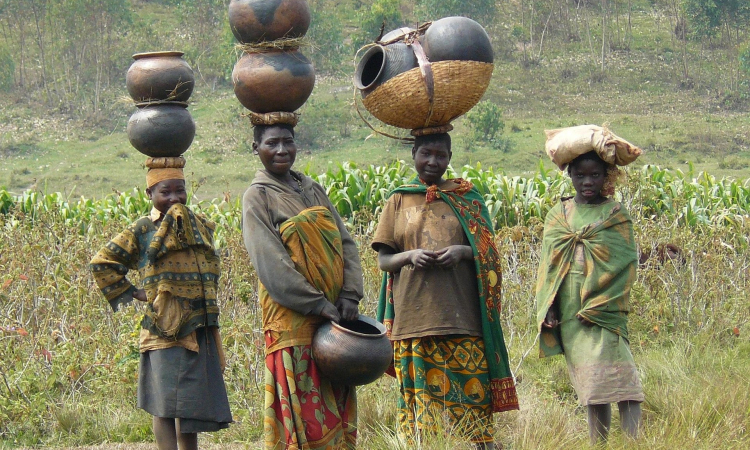
Exploring Semuliki National Park also gives you a chance to meet different tribes whose traditions have been passed down for generations. Some of the main tribes you will find include the Bwamba, the Bukonjo, and the Batwa people.
The Batwa once lived inside the forest as hunter-gatherers, depending on it for food, shelter, firewood, and medicine. Their way of life changed after the area was declared a game reserve and later upgraded to a national park in 1993 by the Uganda Wildlife Authority.
The Batwa still live around the park boundaries, where they share their culture with visitors. They perform traditional dances, singing, drumming, and storytelling to welcome guests. Another community you may meet is the Bambuti pygmies, who live near the Semuliki River.
They are closely related to the Basu pygmies of the Democratic Republic of Congo. The Bambuti show visitors their daily life, which includes cooking, hunting, gathering food, caring for children, building homes, dancing, and singing.
The Bambuti are generally smaller in size than the Batwa. While both groups once lived inside the forest before being evicted, their traditions still reflect their connection to the land. When visiting these villages, always seek permission before filming, as respect is very important.
Move with a local guide who can help with communication, and do not enter places where you are not allowed. You may even get the chance to speak with elders who will tell you about their past lives in the forest and how they survived without modern tools.
A cultural trip around Semuliki is best done in the dry season when the trails are clear. During the wet season, from March to May and September to November, roads can be muddy and difficult to pass. The dry months, December to February and June to August, are easier for travel and give better visibility.
When preparing for your trip, pack rain jackets, waterproof clothing, insect repellent, a camera with extra batteries, and a first aid kit. Visiting the tribes around Semuliki National Park helps you connect with both the people and the land.