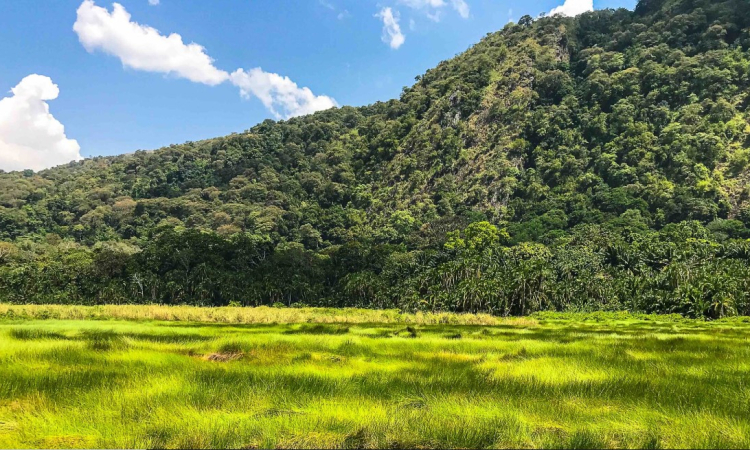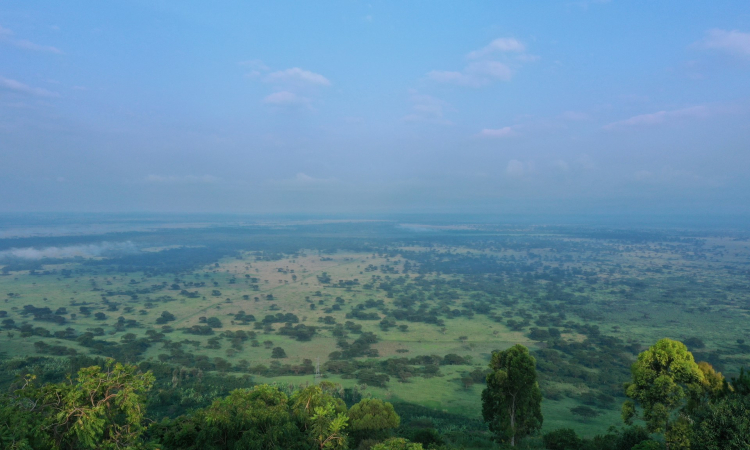
Semuliki National Park in March? March in Semuliki National Park brings the first rains, creating good conditions for bird lovers to spot species such as the yellow-throated cuckoo, great blue turaco, Congo serpent eagle, and many more. Plants also regain their fresh green colors after the dry season, giving photographers a good chance to capture beautiful natural scenery. Carry a waterproof bag to protect your equipment from the rain.
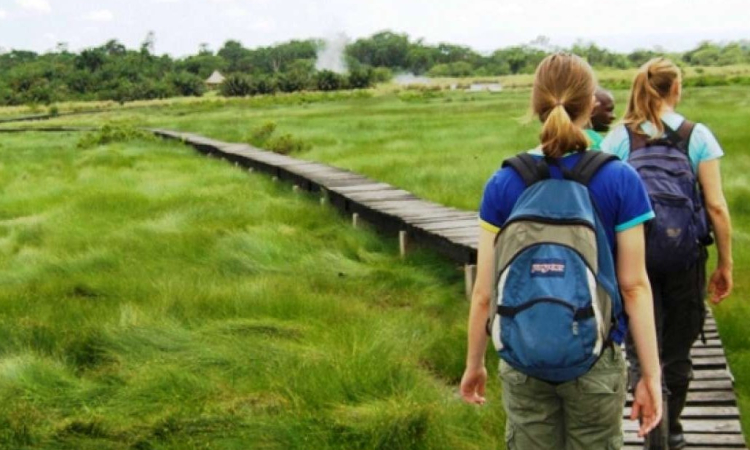
The rains in March are lighter compared to May and August, which means most areas of the park remain accessible. You can still visit attractions like the Sempaya Hot Springs, formed by geothermal activity that produces hot water and steam powerful enough to cook cassava, matooke, or eggs. The cool March weather also mixes well with the hot conditions near the springs, offering a balanced safari experience.
When preparing for your trip, pack waterproof boots, a rain jacket, binoculars, insect repellent, and a first aid kit. Be cautious of mosquitoes, as rainy conditions create more breeding grounds and increase the risk of malaria. Protect yourself by taking anti-malaria medicine before and after your trip, or consult your doctor about a malaria vaccine. If you develop symptoms while in Semuliki, seek medical help immediately since malaria can be fatal. Prevention is always better than cure.
March also offers another advantage: lower prices on both park fees and accommodation because there are fewer visitors. This makes it a more affordable time to travel.
For transport, you can travel by road or by air. If flying, check the schedule at Entebbe International Airport, as some flights may be canceled due to rain or turbulence. Road transport is often more reliable and also allows stopovers along the way. Just ensure you have a valid driver’s license, follow road rules, and never drive under the influence of alcohol.