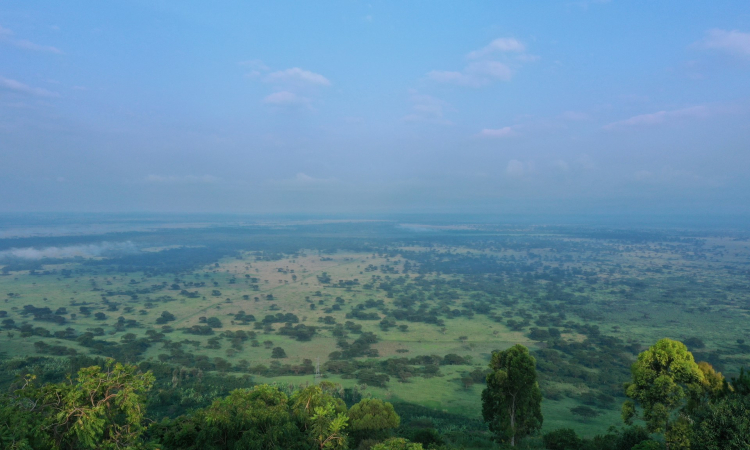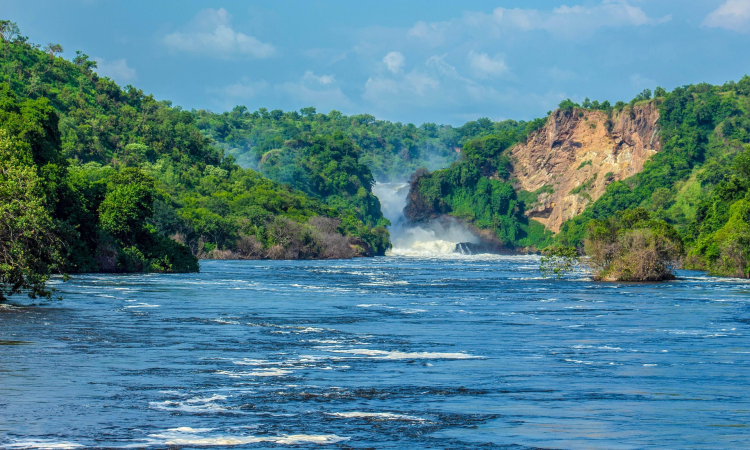
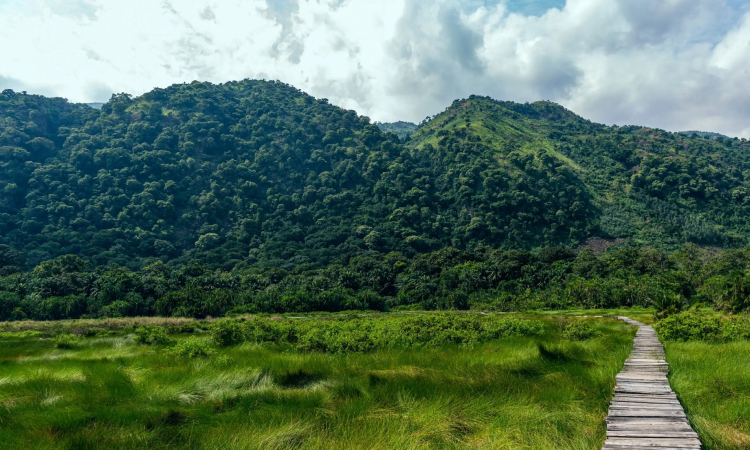
Semuliki National Park is found in western Uganda, close to Queen Elizabeth National Park and the Rwenzori Mountains, also called the Mountains of the Moon. It lies on the floor of the Semuliki Valley, on the far western side of the Rwenzori range.
The park is known for its rich biodiversity, hot springs, and a unique ecosystem, making it a memorable place to visit. Much of its land is part of the Ituri Forest, one of Africa’s oldest forests, which survived the last Ice Age about 12,000 to 18,000 years ago.
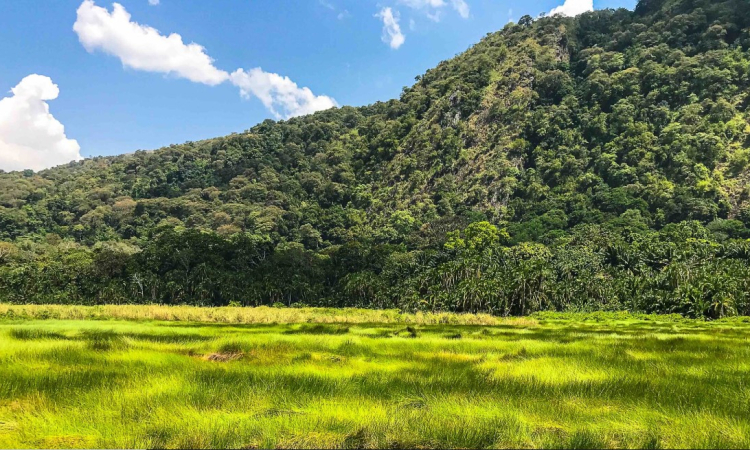
The park covers 220 square kilometers and sits at an altitude of 670 to 760 meters above sea level. It was first gazetted as a game reserve in 1932 and later upgraded to a national park in 1993. Semuliki protects lowland tropical forest, 441 bird species, and 53 species of mammals.
Although small, the park has features that resemble Central Africa more than East Africa. Examples include thatched huts shaded by oil palms and a river system that looks like a miniature version of the Congo River. The forest also shelters species that are typical of Central Africa.
Originally, the Batwa pygmies lived inside the park alongside wildlife. When the park was gazetted, they were moved to the boundaries, where many still live today, depending on the forest for survival.
Semuliki shows the history of nature over millions of years. Its hot springs were formed through geothermal activity about 14 million years ago. Local traditions say the springs came from humans, believed to be a married couple who got lost in the forest and reappeared as the male and female springs at Sempaya.
Large parts of the park also flood during the rainy season, reminding locals of the time, around seven million years ago, when the valley was covered by a lake.
Semuliki National Park is a living reminder of both natural and cultural history, waiting to be explored.