Semuliki National Park was first gazetted as a game reserve in 1932 under the management of the Forest Department. This led to the eviction of the Batwa people, who were pushed to the park boundaries. In 1992, the reserve was upgraded to a forest park, and in 1993 it was officially declared a national park. Management was transferred to Uganda National Parks, which later became the Uganda Wildlife Authority in 1996.
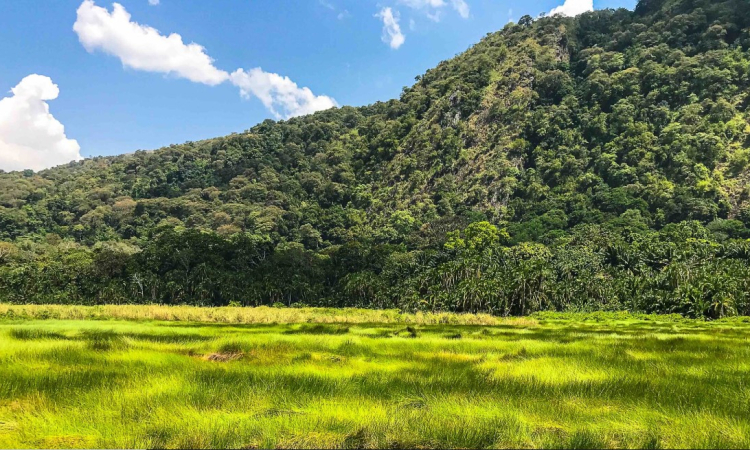
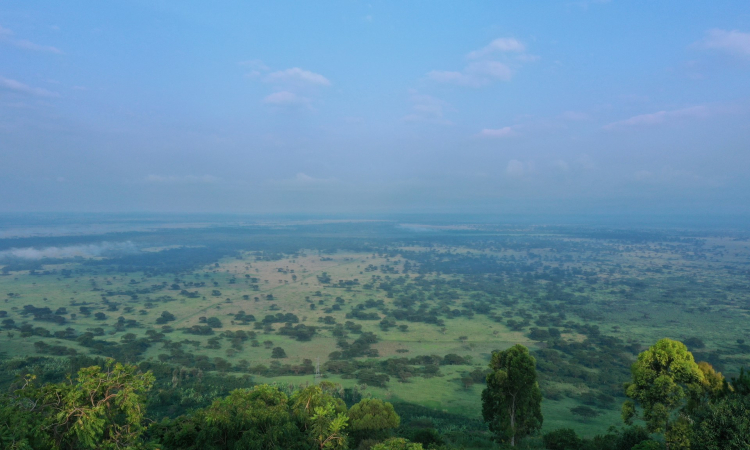
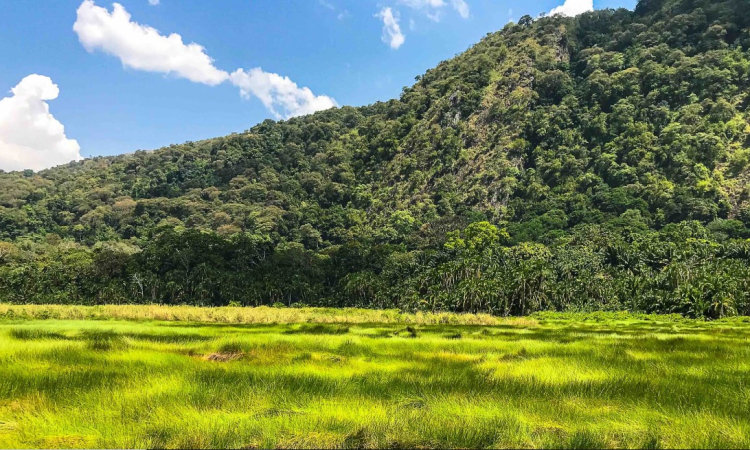
The park is found in the remote areas of western Uganda, next to the ancient Ituri Forest, believed to have survived the Ice Age between 12,000 and 18,000 years ago. During the wet season, Semuliki often floods, reminding visitors of the time when the valley was submerged under a large prehistoric lake over seven million years ago. Flooding still disrupts many activities in the park until the rains stop.
Four main ethnic groups live around Semuliki. The Bwamba are farmers who grow crops at the base of the Rwenzori Mountains. The Bakonjo live higher up in the mountains and depend on the forest for survival, holding strong spiritual ties to the Mountains of the Moon, which they believe house their gods.
The Batuku are cattle keepers who graze their animals in the open plains and guard them carefully as a source of wealth. The Batwa pygmies, once hunters and gatherers in the Ituri Forest, now live along its edges but still preserve many of their traditions. Visitors to the Batwa community are advised to go with a local guide who can interpret and communicate with them.
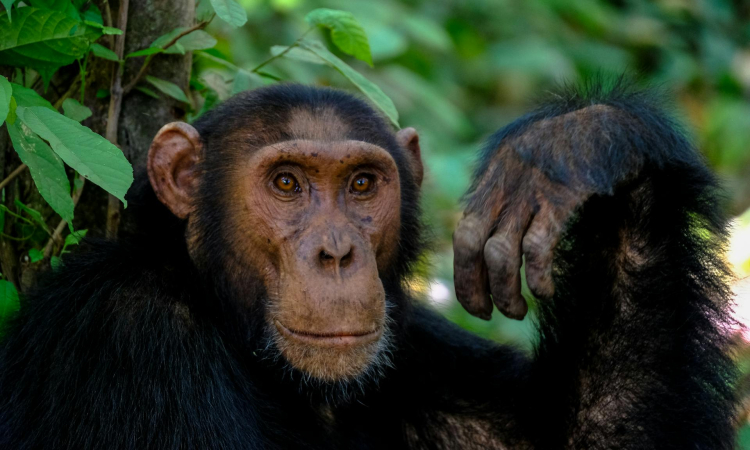
Although not as popular as some other Ugandan parks, Semuliki protects unique natural treasures. It is home to about 120 species of mammals, including elephants, chimpanzees, baboons, monkeys, and hippos. The park also has many reptiles and over 435 species of birds, such as the spot-breasted ibis, Hartlaub’s duck, yellow-throated cuckoo, and western bronze-naped pigeon.
Semuliki National Park holds both natural and cultural history, making it a special place to visit and uncover its hidden secrets.