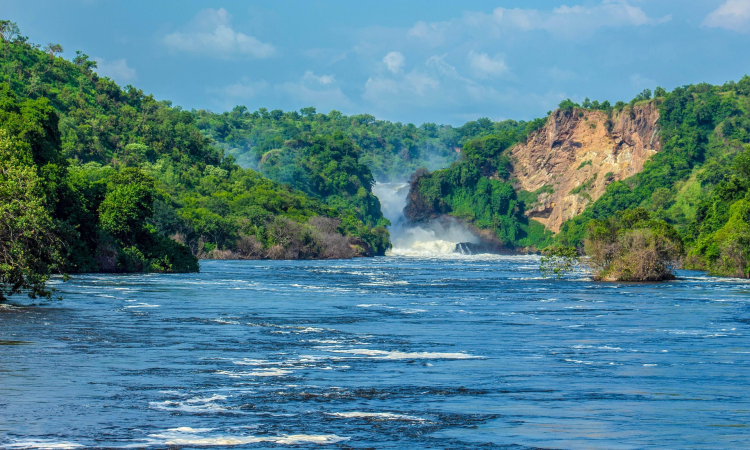
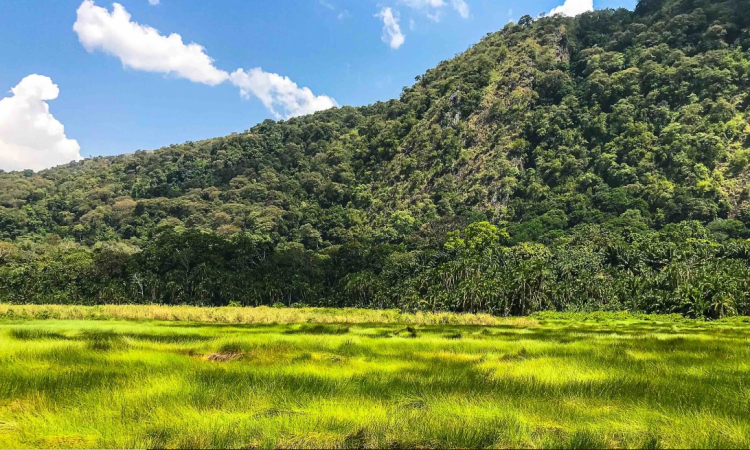
In the western part of Uganda lies Semuliki National Park, a young but special park known for its rich biodiversity and unique ecosystem. It combines both Central African and East African species, making it a good place for bird watchers, primate lovers, and wildlife travelers.
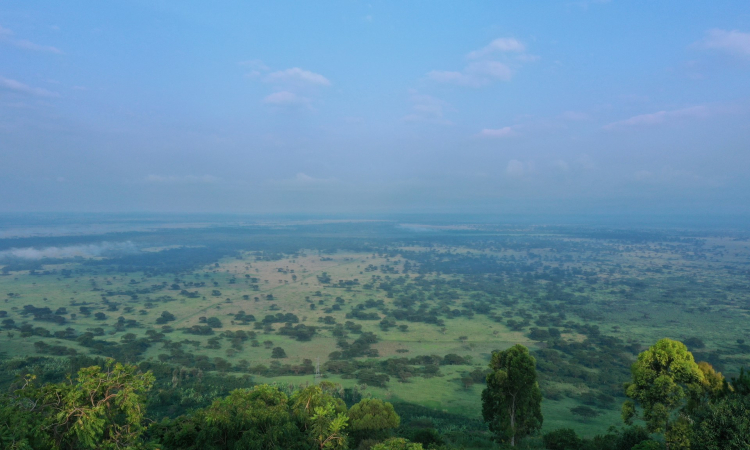
This park covers about 220 square kilometers at the northern edge of the Albertine Rift Valley. It includes part of the greater Ituri Forest, which stretches into the Democratic Republic of Congo. Semuliki was gazetted as a national park in 1993 by the Uganda Wildlife Authority. At that time, the local communities were moved to the park boundaries, which helped reduce conflict between people and wildlife such as mammals, birds, and primates.
When you take a nature walk here, you will see many geographical features. The most famous are the Sempaya Hot Springs, formed by geothermal activity. Locals believe these springs came from people who got lost in the forest and later turned into hot springs.
Many people visit them for worship, cleansing, and blessings, while tourists come to witness boiling water that can cook eggs, cassava, or matooke. Because the water is extremely hot, even a small mistake can burn your skin, so you must be careful.
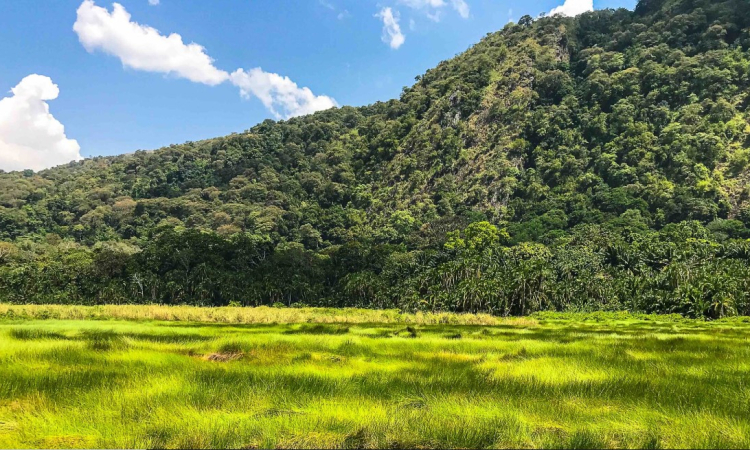
Other natural features in the park include tropical rainforests, savannah vegetation that supports herbivores, and swampy areas near the hot springs that provide food and shelter for many animals and plants.
Semuliki is home to more than 441 bird species, which is about 40% of all birds in Uganda. Some of the birds you may spot include the Congo serpent eagle, long-tailed hawk, black dwarf hornbill, and red-billed dwarf hornbill.
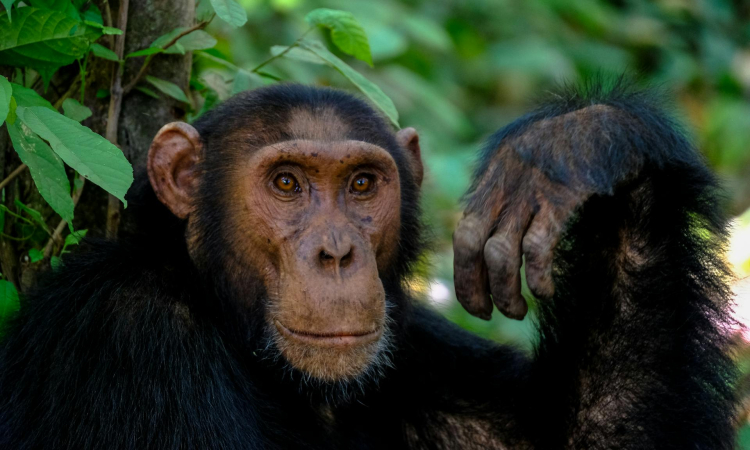
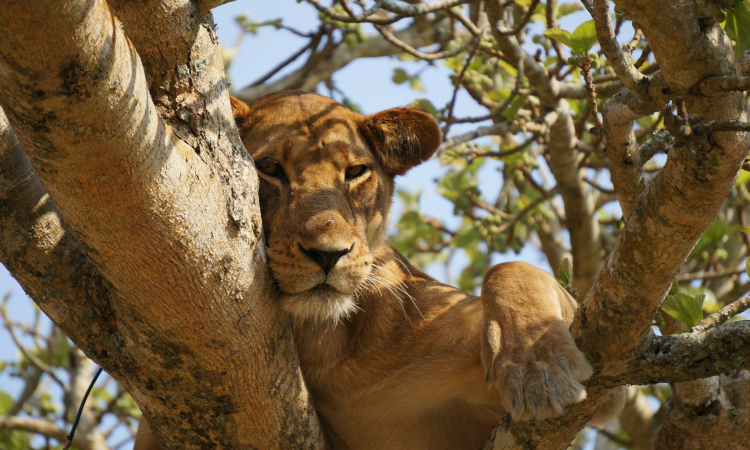
The park also has a variety of primates such as red-tailed monkeys, chimpanzees, vervet monkeys, and blue monkeys. Visitors are advised not to mimic their sounds, as this may provoke them. Along with primates, you can see mammals like forest elephants, buffaloes, hippos, antelopes, African civets, and bush babies.